As businesses scale across regions, payments often become the most fragmented part of their operations. Different countries require different gateways, payment methods, currencies, compliance rules, and settlement processes.
What starts as a growth opportunity quickly turns into a complex web of integrations, reconciliations, and operational inefficiencies.
This is why global businesses are moving toward payment orchestration platforms, a unified layer that brings all payment operations under one intelligent system.
What Are Unified Payments?
Unified payments refer to managing all payment flows, acceptance, routing, settlements, refunds, chargebacks, and reporting through a single platform, even when multiple gateways, acquirers, and payment methods are involved.
Instead of operating in silos, businesses gain a centralised view and control over their entire payment ecosystem.
Payment orchestration platforms make unified payments possible.
The Problem with Fragmented Payment Setups
Most global businesses rely on multiple payment providers to support different markets. While necessary, this approach introduces major challenges:
- Multiple integrations to build and maintain
- Inconsistent transaction success rates across regions
- Disconnected reporting and manual reconciliation
- High dependency on individual gateways
- Difficulty scaling into new markets quickly
Fragmentation doesn’t just slow operations, it directly impacts revenue, customer experience, and financial visibility.
How Payment Orchestration Creates Unified Payments
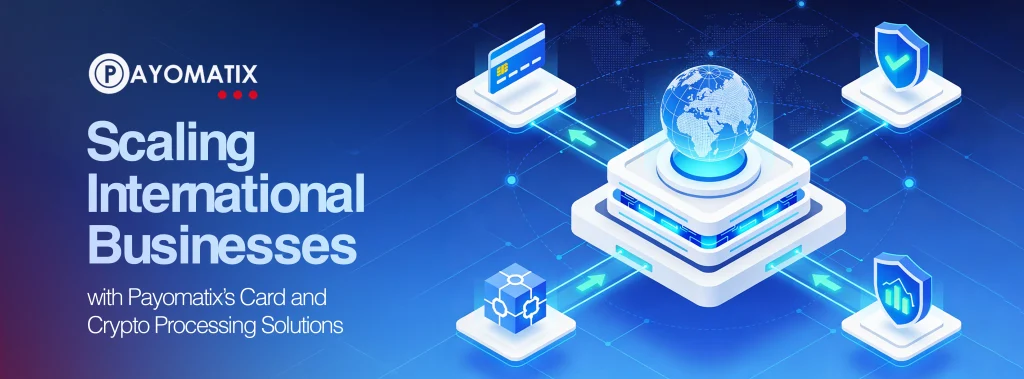
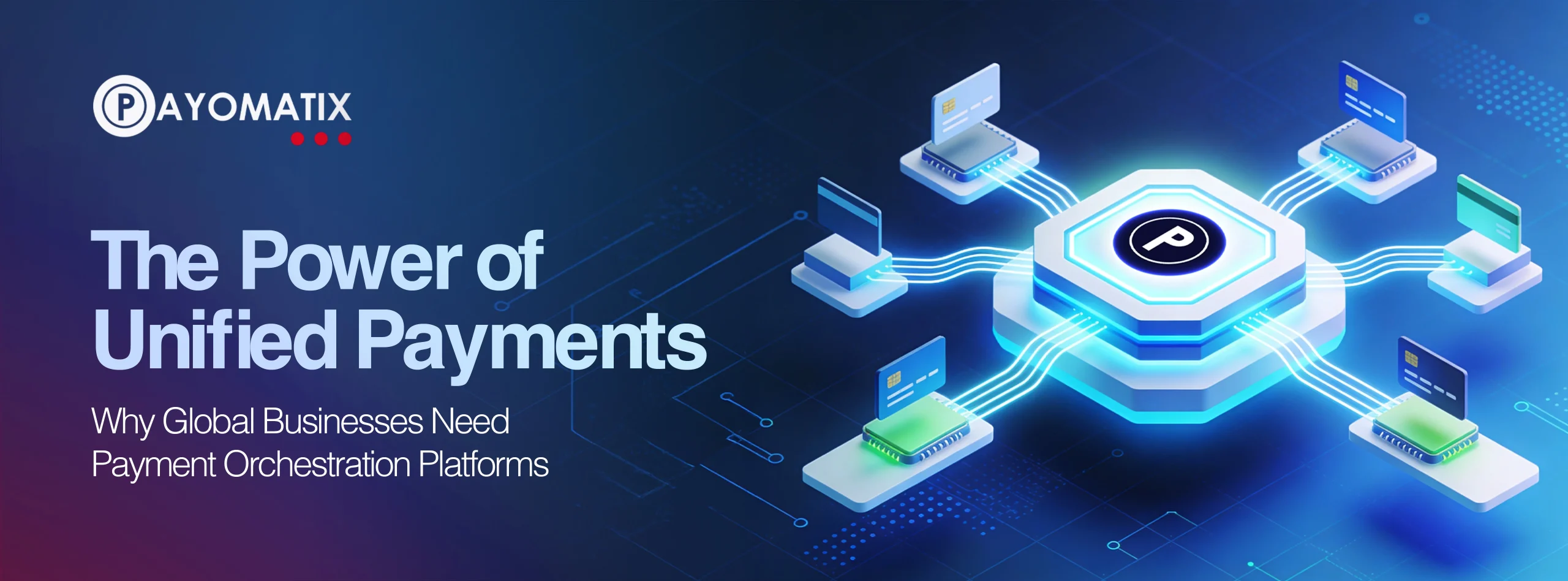
A payment orchestration platform sits between your business and multiple payment providers, acting as a single control layer for all transactions.
Here’s how it unifies global payments:
1. One Integration, Many Providers
Instead of integrating separately with each gateway or acquirer, businesses integrate once with the orchestration platform, instantly unlocking access to multiple providers and payment methods.
This dramatically reduces engineering effort and speeds up global expansion.
2. Intelligent Transaction Routing
Transactions are dynamically routed based on geography, currency, historical success rates, and cost efficiency.
This improves approval rates, reduces declines, and ensures every payment takes the optimal path.
3. Centralised Reporting and Reconciliation
All transactions, settlements, refunds, and chargebacks flow into a single dashboard.
Finance teams gain real-time visibility into global cash flows, simplifying reconciliation and accelerating financial close cycles.
4. Built-In Redundancy and Failover
If one gateway underperforms or goes down, the platform automatically reroutes traffic to alternative providers, ensuring business continuity and revenue protection.
5. Embedded Compliance and Risk Controls
Payment orchestration platforms embed compliance, fraud prevention, and transaction monitoring into the payment flow, helping businesses meet regional regulatory requirements without custom builds.
Why Unified Payments Matter for Global Businesses
For businesses operating across borders, unified payments are no longer optional; they are essential.
Key benefits include:
- Higher payment success rates
- Faster market entry in new regions
- Lower operational and processing costs
- Reduced dependency on single providers
- Improved customer checkout experience
- Greater control and transparency over global payments
Unified payments turn payments from a backend cost center into a strategic growth enabler.
How Payomatix Powers Unified Payments at Scale
Payomatix provides a global payment orchestration platform designed for businesses operating in complex, multi-market environments.
With Payomatix, businesses can:
- Connect to multiple gateways and acquirers through one API
- Support cards, local payment methods, and alternative rails
- Optimize routing for performance and cost
- Manage settlements, refunds, and disputes centrally
- Monitor transactions and compliance in real time
Whether you’re a fintech, marketplace, SaaS platform, or enterprise, Payomatix helps unify your payment operations without disrupting existing systems.
Use Cases Across Industries
E-commerce and Marketplaces
Optimise checkout performance globally while managing seller payouts and settlements centrally.
SaaS and Subscription Businesses
Handle recurring billing, multi-currency pricing, and global customer payments with consistency.
Fintech and NBFCs
Build advanced payment flows with higher resilience and compliance built in.
Enterprises with Global Operations
Replace fragmented regional payment stacks with one scalable orchestration layer.
FAQs: Unified Payments & Payment Orchestration
1. How is payment orchestration different from using multiple gateways directly?
Payment orchestration adds an intelligence layer that manages routing, performance, reconciliation, and redundancy across multiple gateways instead of treating each gateway separately.
2. Does payment orchestration improve transaction success rates?
Yes. Intelligent routing and failover mechanisms significantly reduce declines and downtime-related losses.
3. Can unified payments support cross-border and multi-currency transactions?
Absolutely. Orchestration platforms are designed to handle multiple currencies, regions, and settlement models.
4. Is payment orchestration suitable for large enterprises?
Yes. It is especially valuable for enterprises with high volumes, multiple markets, and complex payment requirements.
5. How long does it take to integrate a payment orchestration platform?
With a single API integration, businesses can go live much faster than traditional multi-gateway setups.
Conclusion
In a global economy, fragmented payments create friction, inefficiency, and lost revenue.
Payment orchestration platforms enable unified payments, giving businesses the control, intelligence, and scalability needed to operate seamlessly across borders.
With Payomatix, global businesses don’t just accept payments; they orchestrate them intelligently, efficiently, and securely.
Unified payments are the future, and payment orchestration is the foundation.